- NEXORA FOUNDATION IMPACT IN ACTION
TECHNOLOGY WITH PURPOSE
Turning responsible AI and digital innovation into practical opportunities for people, communities, and the organizations that serve them.
EXPLORE OUR PROGRAMS ↓01RESPONSIBLE AIUseful technology, guided by human needs02DIGITAL INCLUSIONSkills, learning, and wider opportunity03NONPROFIT CAPACITYStronger tools for lasting social impactCONNECT · INNOVATE · EMPOWERNEXORA FOUNDATION / PROGRAMS & INITIATIVESSHAPING THE FUTURE THROUGH TECHNOLOGY & HUMANITY
OUR PROJECTS & PROGRAMSNexora Foundation’s programs are designed to turn emerging technologies into practical solutions for education, healthcare, nonprofit capacity-building, and community development. Each initiative begins with a clearly identified social need, advances through responsible collaboration, and is assessed through transparent evaluation.
Our ambition is to build sustainable programs that empower individuals and communities over the long term—not simply provide short-term assistance.AI TOOLS & RESOURCE COLLABORATION
This initiative explores affordable, accessible AI tools that can help nonprofit organizations and educational institutions work more effectively. Practical applications may include organizing information, supporting educational activities, streamlining routine administration, and helping teams make better use of limited resources.
Rather than adopting technology for its own sake, the program focuses on identifying everyday operational challenges and matching them with tools that are useful, understandable, and appropriate to each organization’s needs. Training and ongoing feedback are intended to help staff use these tools confidently and responsibly.
IMPLEMENTATION APPROACHNeeds assessment, technology partnerships, tool testing, staff training, and outcome evaluation.
AI TOOLS · SHARED RESOURCES · COLLABORATIONDIGITAL SKILLS & EDUCATION PROGRAM
This proposed pilot aims to help people from underserved communities strengthen their digital confidence and prepare for a changing world of work. The program is designed around foundational AI education, practical digital skills, and guidance from experienced mentors.
Learning activities may introduce participants to everyday digital tools, responsible use of AI, online research, digital communication, and the skills needed to continue learning independently. By combining structured lessons with practical exercises and mentoring, the initiative seeks to make digital education more approachable and relevant to different learning backgrounds.
IMPLEMENTATION APPROACHCurriculum design, partner recruitment, pilot training sessions, learning assessment, and continued learner support.
DIGITAL LITERACY · AI LEARNING · OPPORTUNITYAI INFRASTRUCTURE FOR NONPROFITS
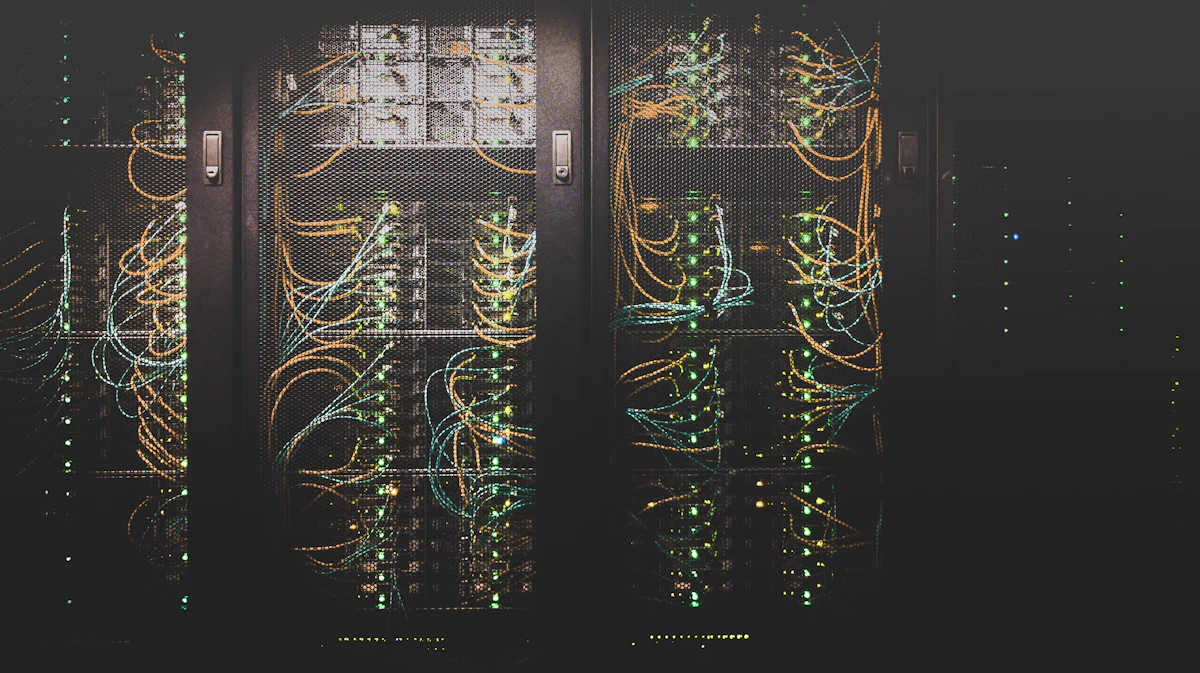
This development plan focuses on helping nonprofit organizations explore secure, practical foundations for using AI in their day-to-day work. Areas of interest include responsible data management, information workflows, administrative automation, and AI-assisted tools that can help teams coordinate services and use their time more effectively.
The emphasis is on building capability that organizations can maintain over time. Any potential implementation would take account of data protection, access controls, staff readiness, operational requirements, and the need for human review of AI-supported outputs. The goal is to help organizations strengthen their services without creating unnecessary technical or financial burdens.
IMPLEMENTATION APPROACHTechnology assessment, data protection review, pilot deployment, employee training, and long-term maintenance planning.
SECURE SYSTEMS · DATA · NONPROFIT CAPACITY - NEXORA FOUNDATION / KNOWLEDGE & IMPACT
A CLEAR VIEW OF WHAT'S CHANGING
Welcome to the Nexora Foundation News & Technology Insights list. This page brings together selected news, policy developments, and practical technology initiatives across digital finance, stablecoins, artificial intelligence, education, Web3 regulation, and nonprofit innovation. Each story is paired with a short explanation of its wider significance and how it may connect to a more inclusive, responsible, and human-centred future. Select a topic below to jump to its summary, or click any story image or headline to visit the original source.
EXPLORE THIS NEWS LISTCurated developments · Context and impact · Original source links SCROLL TO EXPLORE ↓NEXORA FOUNDATION / NEWS & RESEARCHNEWS & TECHNOLOGY INSIGHTS
AI · WEB3 · DIGITAL FINANCE · HUMANITYExplore developments shaping the future of artificial intelligence, digital finance, blockchain infrastructure, and inclusive innovation. We connect important industry news with the wider opportunities these technologies may create for education, healthcare, nonprofit organizations, and communities around the world. Select any image or headline to read the original story.
DBS & CIRCLE EXPAND INSTITUTIONAL ACCESS TO USDC IN ASIA
Singapore-based DBS and Circle have announced a partnership designed to expand institutional access to USDC across Asia. Eligible institutional clients will be able to mint and redeem USDC directly through DBS, with round-the-clock US dollar–USDC settlement capabilities.
The arrangement is intended to give institutions greater flexibility in treasury operations, settlement, and liquidity management, while reducing reliance on secondary-market liquidity. It also reflects growing interest in connecting established banking services with regulated blockchain-based payment infrastructure.
READ THE NEWSWHY IT MATTERSThe partnership illustrates how traditional financial institutions and stablecoin infrastructure providers can work together. For the wider Web3 ecosystem, it highlights the growing role of regulated digital dollars in cross-border settlement and institutional financial operations.
WORLD BANK GROUP EXPLORES STABLECOIN PAYMENTS WITH CITI & CIRCLE
The World Bank Group has announced that it will explore regulated stablecoin infrastructure with Citi and Circle, examining whether blockchain-based payment rails and US dollar-denominated stablecoins could improve the speed, cost-efficiency, and transparency of development-finance payments.
The initiative builds on the World Bank Group's FundsChain platform, which supports traceability of fund disbursements across development projects. The initial exploration will consider an intermediated and interoperable payment model, with participation focused on countries where digital-asset use is permitted and supported.
READ THE NEWSWHY IT MATTERSIf responsibly implemented, more efficient payment infrastructure could help development resources move with greater visibility and fewer delays. The key opportunity is not simply the use of a stablecoin, but the potential to strengthen accountability and payment efficiency in international development.
TAJIKISTAN ADVANCES AI EDUCATION IN GENERAL SCHOOLS
UNICEF Tajikistan and the country's education authorities have brought together government representatives, educators, development partners, and private-sector organizations to discuss the responsible introduction of AI fundamentals into general education.
Discussions have included curriculum development, teacher training, school readiness, equitable access to technology, child safeguarding, and data protection. The aim is to help young people build foundational AI knowledge, analytical thinking, information-evaluation skills, and creative problem-solving abilities.
READ THE UNICEF UPDATEWHY IT MATTERSAI literacy is becoming an important part of preparing young people for the future. Education initiatives must combine practical technology skills with responsible use, inclusion, online safety, and protection of children's rights.
COINBASE SECURES NATIONAL TRUST BANK CHARTER STATUS
Coinbase has received final approval from the US Office of the Comptroller of the Currency (OCC) to commence operations as a national trust bank. The approval supports its ability to provide fiduciary digital-asset custody services under federal oversight.
The development marks an important step in the integration of digital-asset businesses into the regulated financial system. It also highlights the growing importance of governance, compliance, fiduciary responsibilities, and institutional safeguards as digital-asset services mature.
READ THE NEWSWHY IT MATTERSStronger regulatory frameworks can help institutions assess custody providers and digital-asset infrastructure with greater clarity. A national trust bank charter is not the same as a full-service commercial banking licence and does not itself authorize ordinary deposit-taking and lending.
MICROSOFT: EMPOWERING NONPROFITS WITH AI
Microsoft is helping nonprofit organizations explore how generative AI and productivity tools can support their daily work. Its guidance encourages organizations to begin with clearly defined needs, develop an AI strategy, prepare teams, and establish responsible governance.
Potential applications include organizing information, supporting communications, improving internal workflows, preparing reports, and helping teams make better use of limited resources. Microsoft's approach emphasizes testing meaningful use cases, measuring results, and building on what works.
EXPLORE MICROSOFT AIWHY IT MATTERSFor nonprofits, AI is most valuable when it helps people spend less time on repetitive administration and more time serving communities. Responsible implementation should include staff training, privacy safeguards, human review, and clear accountability.